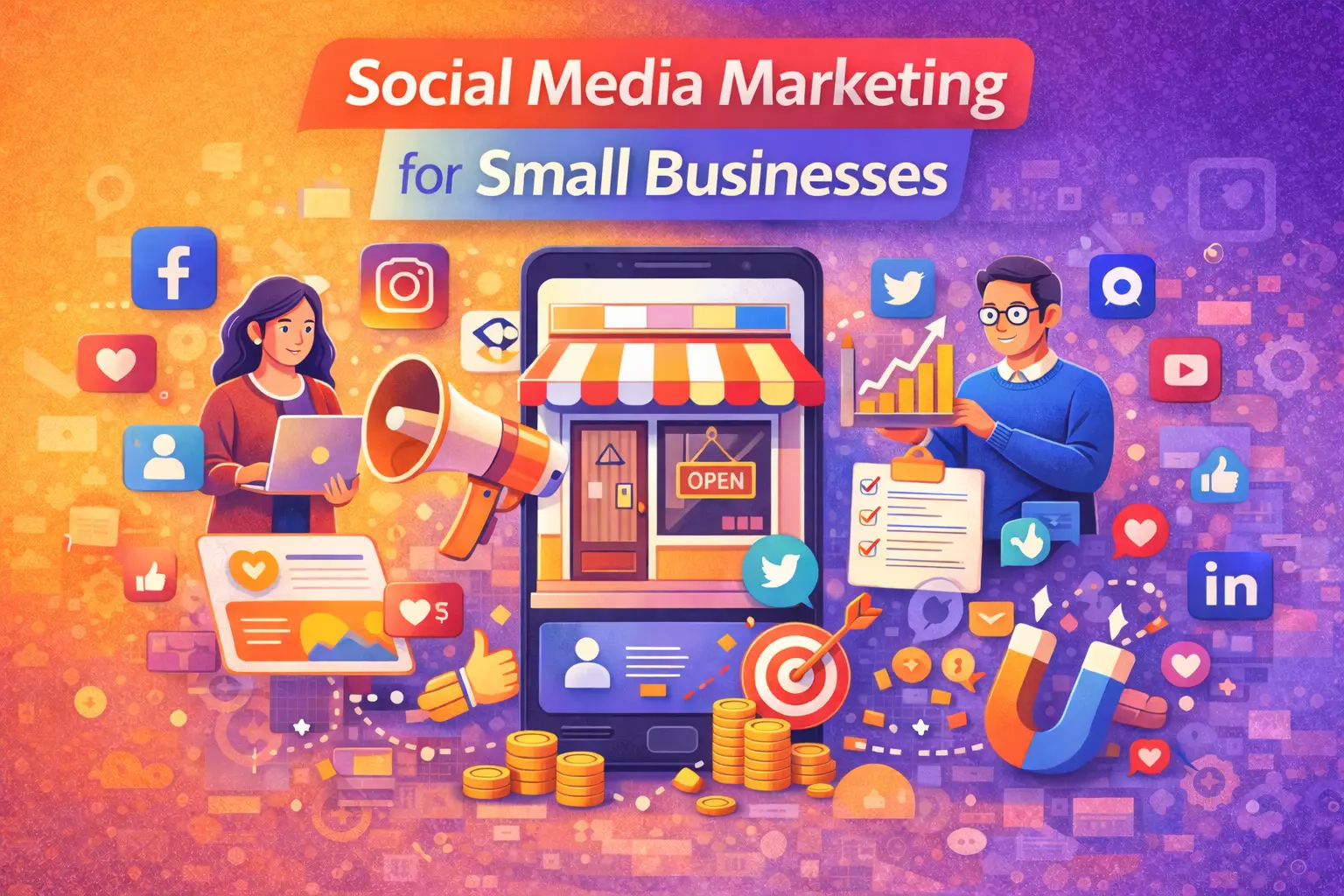
Social Media Marketing for Small Businesses
Introduction
After Covid-19, social media marketing shifted from being optional to being essential for small businesses. As digital interaction increased globally, social platforms became primary channels for brand visibility, customer engagement, and business communication. For small businesses, social media offered something traditional advertising could not: direct, low-cost access to audiences. However, simply creating an account was never enough. Sustainable growth required structure, consistency, and strategic intent. Understanding how to approach social media marketing professionally allows small businesses to compete effectively, even with limited budgets.
Why Social Media Became Essential
By 2020, global social media usage had surpassed 3.6 billion users, according to Statista. This growth accelerated during periods of restricted physical interaction, increasing the importance of digital presence. For small businesses, this meant customers were spending more time online. Purchasing decisions were increasingly influenced by digital impressions.
Social media platforms became:
-
Discovery channels
-
Brand validation tools
-
Customer service touchpoints
-
Marketing distribution platforms
Visibility shifted from physical storefronts to digital feeds.
Choosing the Right Platforms
Not every social media platform serves the same purpose. Small businesses often make the mistake of trying to be present everywhere at once. Effective strategy begins with understanding audience behaviour. For example, visually driven businesses such as fashion, food, and creative services often perform well on Instagram. Professional services may find LinkedIn more aligned with their target market. Community-based businesses may benefit from Facebook’s local reach. Platform selection should reflect customer behaviour, not trends. Focused presence is stronger than scattered visibility.
Content That Builds Trust
Social media marketing is not simply about promotion. It is about relationship-building. Customers increasingly evaluate businesses based on the value they provide online. Educational posts, behind-the-scenes insights, client testimonials, and industry commentary build credibility. Constant promotional content can reduce engagement. Balanced communication builds trust. Authenticity also matters. Audiences respond to consistency and clarity more than polished perfection. Trust precedes conversion.
Consistency and Brand Identity
Successful social media marketing depends on consistency in both posting frequency and visual identity. Regular posting maintains visibility within platform algorithms. Inconsistent activity often reduces reach. Equally important is visual consistency. Colours, typography, tone of voice, and messaging style should align with the broader brand identity. When branding is inconsistent, credibility weakens. Structured presentation strengthens recognition.
Paid Advertising for Small Businesses
While organic reach remains valuable, paid social advertising allows small businesses to target specific audiences with precision. Platforms such as Facebook and Instagram enable businesses to define audiences based on location, interests, demographics, and behaviour. This level of targeting was historically accessible only to large corporations with significant budgets. Small businesses can now run controlled campaigns with measurable results. However, advertising without clear objectives often wastes resources. Campaigns should align with defined goals such as lead generation, website traffic, or product sales.
Measuring Performance
One of the advantages of social media marketing is measurable data.
Businesses can track:
Engagement rates
Click-through rates
Audience growth
Conversion metrics
Analytics allow continuous refinement.
Without measurement, marketing becomes guesswork. With measurement, it becomes strategy.
The Risk of Informal Management
Many small businesses treat social media casually, delegating it without clear objectives or oversight. While informal posting may generate occasional engagement, sustainable growth requires planning. A documented content calendar, defined messaging strategy, and periodic performance review create structure. Marketing should align with business goals, not operate independently from them.
Social Media and Digital Maturity
By 2020, social media was no longer simply a marketing add-on. It became integrated into broader digital ecosystems, connecting with CRM systems, automation tools, chatbots, and customer communication platforms. This integration marked the transition from isolated marketing activity to structured digital systems. Small businesses that approached social media strategically positioned themselves for long-term digital growth.
Conclusion
Social media marketing became essential for small businesses in 2020, not because it was trendy, but because consumer behaviour shifted decisively toward digital engagement. However, visibility alone is not strategy. Structured planning, consistent branding, measurable performance tracking, and alignment with broader business goals transform social media from activity into asset. Digital presence should be intentional.
Frequently Asked Questions
Tags:


Comments (0)
No comments yet. Be the first to share your thoughts!
Leave a Comment
Subscribe to Our Newsletter
Get the latest insights on digital transformation delivered to your inbox
